

אוצרות נסתרים
- בַּיִת
- אוצרות נסתרים
- אוצרות נסתרים

אוצרות נסתרים
גלו יעדים יוצאי דופן מחוץ למסלולים המוכרים, שם מחכות לכם חוויות אותנטיות
מיריסה - סרי לנקה
- היכן שהאוקיינוס מלמד אותך לנשום לאט
בחוף הדרומי של סרי לנקה, בין גבעות ירוקות ומים טורקיז, נמצאת מיריסה – מקום שנראה כאילו נמשה מתוך השקט. לא תיירותי מדי, לא מבודד מדי, היא נעה בקצב משל עצמה:
המקצב הקבוע של הגלים המתגלגלים פנימה, קריאות השחפים המרחפות בעצלתיים מעל החוף, והחיוכים הרכים של המקומיים מאחורי הדוכנים העמוסים במאנגו וקוקוסים.
הגעתי אחרי נסיעת רכבת ארוכה מקולומבו, דרך ג’ונגלים וכפרים צבעוניים, כשהחלונות פתוחים לריח הגשם הטרופי. הדבר הראשון שראיתי במיריסה היה האופק — כל כך ברור וכחול, שנראה כמו הבטחה.
הבקרים כאן מתחילים מוקדם. השמש זורחת מעל דקלי הקוקוס, הדייגים דוחפים את סירותיהם הצבועות אל החול הרך, וריח הקפה המקומי החזק מתערבב עם הבריזה המלוחה. עם הלגימה הראשונה, העולם כאילו עוצר.
אבל מיריסה היא לא רק חוף — היא תחושה. אפשר לבלות שעות בצפייה בגולשים הרוקדים עם הגלים או לטפס ל-Coconut Hill, הגבעה האיקונית המכוסה דקלים, שם האוקיינוס נפרש עד אין-סוף לפניך. כשהשקיעה מגיעה, השמיים הופכים ליצירת אמנות — כתום, ורוד וזהב נמסים זה בזה כמו חלום.
אבל הקסם האמיתי מתרחש מוקדם בבוקר. סירה קטנה יוצאת לים להרפתקה נדירה — צפייה בלווייתני ענק כחולים. לעולם לא תשכח את הרגע שבו הענק של האוקיינוס עולה מהעמקים, משחרר נשיפת ערפל, ונעלם שוב מתחת לפני המים. זה רגע שמכניע את הלב.
עם רדת הלילה, מיריסה משתנה. מסעדות לאורך החוף נדלקות, שולחנות נפרסים על החול, ודגים טריים נצרבים על גרילים פתוחים. האוויר מתמלא בריחות של ליים, כוסברה, וחופש — החופש הזה שמוצאים רק כשמפסיקים למהר.
כשאתה עוזב את מיריסה, אתה מבין שלא היית רק במקום יפה — היית בתוך רגע. איזון עדין בין חיים וחלום, בין מלח ים לשלווה.
ואם כל זה לא מספיק כדי לשכנע אותך לבחור בסרי לנקה כיעד הבא שלך, דע שאתה זקוק לויזה כדי להיכנס לסרי לנקה, אך ניתן לקבל אותה עם הנחיתה בנמל התעופה הבינלאומי Bandaranaike
צ'אנג מאי - תאילנד
- היכן שהלב מוצא את שלוותו
המטוס נחת בדיוק כשהשמש החלה לשקוע מאחורי ההרים מצפון. מלמעלה, צ'אנג מאי נראתה כמו ציור בצבעי מים – שדות ירוקים, מקדשים זהובים וכבישים מתפתלים שנעלמים בערפל. עדיין לא ידעתי זאת, אבל העיר הזאת בסופו של דבר תלמד אותי את אמנות האטת הקצב בלי לעצור. צ'אנג מאי אינה רועשת. היא לא ממהרת להרשים אותך. היא נושמת – ברוגע, עמוק – כמו הנזירים ההולכים יחפים עם שחר ברחובות הצרים, אוספים נדבות בשקט. יש משהו עתיק באוויר כאן, משהו שמזכיר לך שיופי לא תמיד ראוותני; לפעמים הוא מזמזם בשקט ברקע. הבקרים שלי התחילו עם ריח של קפה תאילנדי ואורז דביק עטוף בעלי בננה מרוכל רחוב שחייך יותר בעיניו מאשר בפיו. אחר כך הייתי הולך – בלי יעד, בלי תוכנית – פשוט עוקב אחר צליל פעמוני המקדש. מעבר לכל פינה הופיע וואט חדש: גגות אדומים וזהובים, דרקונים מתפתלים לאורך המדרגות, לחישה רכה של תפילות. בתוך וואט פרה סינג ישבתי זמן מה בשיכול רגליים, עיניים עצומות, ולראשונה מזה זמן רב הרגשתי שקט. אין רעש, אין לחץ, אין צורך לפרסם או להסביר. רק הקצב השקט של נשימתי מתמזג עם פעימות הלב של העיר. אחר הצהריים בצ'אנג מאי נועדו לשיטוט. דרך הסמטאות הצרות של העיר העתיקה, שם פרחים נשפכים מהחומות וקטנועים מתערבבים עם אופניים. דרך שווקים בוערים בצעיפי משי, פילים מגולפי עץ, וריח שאי אפשר לעמוד בפניו של פאד תאי מבעבע בווקים. אבל החלק האהוב עליי הגיע כשעזבתי את העיר ליום – טיפוס בכביש ההררי לדוי סוטפ. המקדש ניצב מעל העננים, הצ'די הזהוב שלו זוהר כמו אש באור השמש. הטיפוס של 300 מדרגות, שנשמר על ידי נחשים ירוקים, מרגיש כמו עלייה לרגל קטנה. כשסוף סוף מגיעים לפסגה, העיר מתפשטת למטה, מעורפלת ואינסופית. הפעמונים מצלצלים, הקטורת עולה, ואתם מבינים – זה לא הנוף שבאתם בשבילו, זה השלווה. בלילה, פנסים מרחפים מעל הרחובות, שוק הלילה מתעורר לחיים, ומוזיקאים מנגנים ג'אז רך ליד דוכני האוכל. ניסיתי קאו סוי, מרק אטריות קארי צפוני, עשיר ומנחם – מהסוג שמרגיש כאילו נוצר עבור מטיילים שחיפשו משהו בלי לדעת מה. לפני שעזבתי, ביליתי בוקר במקלט פילים בג'ונגל. בלי שרשראות, בלי טריקים – רק ענקים עדינים רוחצים בנהר, שובבים וחופשיים. כשהאכלתי אותם בבננות והרגשתי את משקל חדקיהם בידי, הבנתי את הכוח השקט של הארץ הזו – טוב לב בלי הצגה, קשר בלי מילים. צ'אנג מאי לא צועקת לתגובה.
ורונה – איטליה
- המקום בו היסטוריה ורומנטיקה נפגשות
אני מציין את ורונה כאחד היעדים הפחות מוערכים באירופה, כי היא תמיד נראית במקום השני אחרי רומא ופירנצה! ורונה, השוכנת בין ונציה למילאנו, היא עיר המשלבת פאר רומי, יופי רנסנס ורומנטיקה נצחית ליעד בלתי נשכח אחד. היא נבנתה לאורך עיקולי נהר אדיג'ה, והיא מקום שבו כל פינה נגעה בהיסטוריה – וכל שקיעה מרגישה כמו סצנה מסרט איטלקי קלאסי. בלב הכיכר ניצבת ארנה די ורונה, אמפיתיאטרון רומי משומר להפליא מהמאה הראשונה. בעבר היה ביתם של גלדיאטורים, וכיום היא מארחת מופעי אופרה מפורסמים בעולם תחת כיפת השמיים, שם קולות רבי עוצמה עולים מעל אבן עתיקה. צפייה בזירה מוארת עם רדת החשיכה היא אחד מאותם רגעים נדירים שבהם עבר והווה נראים כאילו קיימים באותה נשימה. במרחק הליכה קצר נמצאת פיאצה דלה ארבה, כיכר ורונה התוססת המוקפת בבניינים מימי הביניים וחזיתות רנסנס. במהלך היום היא שוקקת חיים עם שווקים עמוסים בפירות, פרחים ומלאכות מקומיות; בלילה, בתי הקפה נשפכים אל הכיכר, והאוויר מתמלא בשיחה ובמוזיקה. בקרבת מקום, פיאצה דיי סינורי מציעה צד שקט ואלגנטי יותר של העיר – מוקף בפסלים, קשתות והדים של השלטון הוונציאני. כמובן, שום ביקור בוורונה אינו שלם בלי עצירה בקאזה די ג'ולייטה, ביתה המפורסם של יוליה מאת שייקספיר. החצר הקטנה והמרפסת מושכות מבקרים מכל רחבי העולם, כל אחד מהם משאיר פתק או משאלה על הקירות. בין אם אגדה או ספרות, האתר לוכד את הקשר המתמשך של העיר לאהבה. עבור אלו המחפשים נופים פנורמיים, הטיפוס לקסטל סן פייטרו מתגמל את המטיילים במראה עוצר נשימה: הנהר מתפתל בחן סביב גגות טרקוטה ומגדלי כנסיות, ממוסגרים בגבעות רחוקות. עם רדת הערב, ורונה זוהרת באור חם – זהוב, רך ורומנטי בצורה בלתי אפשרית. מעבר ליופייה, ורונה היא עיר של איזון – בין הקדוש לחושני, העתיק למודרני. זהו מקום לשוטט בו בלי למהר, לטעום ריזוטו אל'אמרונה אותנטי, ולתת להיסטוריה להתפתח בעדינות סביבך. בוורונה, אהבה היא לא רק סיפור. היא חלק מהאדריכלות.
בריאנסון – צרפת
- העיירה שנוגעת בשמיים
ישנם מקומות שנראים כאילו בנויים כדי להעריץ אותם. בריאנסון, השוכנת גבוה באלפים הצרפתיים סמוך לגבול האיטלקי, מרגישה בנויה כדי להרגיש טוב. בגובה 1,326 מטרים מעל פני הים, היא לא רק יושבת בין ההרים – היא שולטת בהם. שלג, שמש ואבן מתקיימים כאן יחד באיזון מושלם, כמו תזמורת עתיקה שיודעת כל תו בעל פה. במבט ראשון, החומות הן שתופשות את העין. הן מסיביות, גיאומטריות ושלוות, עוצבו על ידי וובאן, האדריכל הצבאי של לואי ה-14 – אדם שהאמין בבירור שיופי והגנה צריכים ללכת יד ביד. העיר העתיקה המבוצרת של בריאנסון, ניצבת בגאווה מעל העמק, חזיתותיה בצבעי פסטל זוהרות על רקע פסגות משוננות. מהסוללות, הנוף אינסופי – סרטי נהר למטה, עננים הנסחפים בעצלתיים על פני הרכסים, וצליל חלוש של פעמונים מכנסייה בלתי נראית במרחק. בתוך החומות, החיים מתפתחים באיטיות. הסמטאות הצרות מתפתלות ומטפסות, חושפות חצרות נסתרות, מזרקות ישנות ובתי קפה עם שולחנות בקושי גדולים מספיק לשתי כוסות שוקו חם והר של קצפת. האוויר דליל אך עשיר – תערובת של אורן, היסטוריה, ואותה רעננות אלפינית שאין לטעות בה, שגורמת לכל נשימה להרגיש כמו ניצחון קטן. בחורף, בריאנסון שייכת לגולשי סקי. היא מתחברת ישירות לסר שבלייה, אחד מאזורי הסקי הגדולים באירופה, שם האבקה דקה ואור השמש בהיר יותר איכשהו מאשר במקומות אחרים. גולשי סקי יורדים במורד מדרונות ללא רבב בעוד ילדים בונים אנשי שלג מחוץ לבתי אבן שראו יותר חורפים מרוב המדינות. בקיץ, אותם הרים חושפים צד אחר. כרי דשא פורחים בפרחי בר, האוויר מתמלא בזמזום דבורים, ושבילים מתפתלים לעבר אגמים בצבע טורקיז שנראים צלולים מכדי להיות אמיתיים. רוכבי אופניים בוחנים את כוחם בקול דו גליבייר האגדי, בעוד מטיילים עוקבים אחר ריח הדשא והמסת הקרחונים דרך הפארק הלאומי אקרין. ואז יש את האוכל. אם אתם מאמינים שאפשר להגיש נחמה בקערה, הגעתם למקום הנכון. כאן, רקלט, פונדו וטרטיפלט הם לא רק ארוחות – הם חגיגות של הישרדות. כל מנה מגיעה מבעבעת, ריחנית ומפנקת ללא התנצלות, כאילו העיר עצמה מברכת אותך על שהגעת למקום הזה. לערבים בבריאנסון יש קצב משלהם. כשהאור האחרון דועך, הביצורים הישנים זוהרים בזהב, והרחובות מזמזמים ברכות עם קולות צחוק מהדהדים מפברנות זעירות. הקור בחוץ גורם לחום שבפנים להרגיש מוצדקת. אתה לוגם יין מקומי, מקשיב לרחש השיחות ומבין שאתה חלק ממסורת בת מאות שנים: אמנות הנוכחות במקום שראה הכל ועדיין נשאר צנוע. בריאנסון לא מפתה אותך במחזה – היא כובשת אותך בדממה. זהו מקום של אוויר נקי, חומות חזקות וגאווה שקטה. כשתעזוב, תבחין שזה נשאר – לא כזיכרון גלויה, אלא כתחושה: אותה תחושת רוגע נדירה שמגיעה רק כשהעולם מרגיש עצום ובטוח כאחד. איפשהו מעל העננים, בריאנסון שומר על המשמר. וברגע שראית את זה, חלק ממך אף פעם לא באמת חוזר למטה.
קנקון - מקסיקו
- היכן שהשמש כותבת את סיפורה שלה
יש מקומות שנחים. ויש מקומות שמנצנצים. קנקון, בחוף הקריבי של מקסיקו, לא רק מנצנצת – היא רוקדת. זה מתחיל בצבע. הים לא רק כחול – הוא טורקיז, ירקן וספיר בבת אחת, פסיפס של אור כה בהיר שהוא מרגיש כמעט בלתי אפשרי. החול, לבן כמלח, חורק מתחת לרגליך, והשמש, נדיבה תמיד, צובעת הכל בזהב. אתה בא לכאן וחושב שתמצא גן עדן, ואתה אכן מוצא – אבל אתה גם מוצא קצב, תבלין ואלף סיפורים חבויים מאחורי פני השטח השקטים של גלויה. ביום, קנקון היא אור שמש בתנועה. סירות נסחפות על פני הלגונה, שקנאים צוללים לדגים, ובאיזשהו מקום, מישהו מערבב מרגריטה בזהירות רבה יותר ממה שרוב האנשים מקבלים החלטות חיים. אתה יכול לבלות שעות בציפה במים הרדודים, הגלים מתפתלים סביבך כמו משי, או לשוטט לאורך אזור המלונות, סרט דק של אנרגיה בין הלגונה לים, מרופד בדקלים, צחוק והבטחות שרופות שמש. אבל קנקון היא לא רק חופים וקוקטיילים – למרות ששניהם טובים בצורה מסוכנת. צא אל מעבר לחוף ותגלה לחישות של משהו עתיק בהרבה. נסיעה קצרה בפנים הארץ מביאה אותך לחורבות המאיה של אל ריי, או, אם יש לך יותר זמן, לצ'יצ'ן איצה האדירה, שם פירמידות אבן עדיין שומרות על מסתרי הציוויליזציה שמיפה את הכוכבים הרבה לפני שהיו טלסקופים. בעמידה שם, תחת השמיים המסנוורים, אתה מבין שהקריביים לא רק יפים – הם עתיקים. בחזרה בעיר, החום מאט הכל לקצב טרופי. אתה אוכל סביצ'ה כל כך טרי שהוא טעים כמו האוקיינוס עצמו, וטאקו כל כך טובים שהם צריכים להגיע עם אזהרה. הארוחות הטובות ביותר לא תמיד נמצאות במסעדות יוקרה – הן נמצאות בדוכני רחוב, שם המקומיים סוחטים ליים על דגים צלויים וקוראים לך חבר עוד לפני שהזמנת. ואז, יש את הלילה. קנקון אחרי השקיעה הופכת לקרנבל של אור וצליל. מוזיקה נשפכת מברים על החוף, צחוק מרחף מעל המים, והאוויר מזמזם בסוג של שמחה שמרגישה מדבקת. אתם רוקדים יחפים בחול, לא כי תכננתם, אלא כי פתאום נראה בלתי אפשרי שלא. אבל יש גם קנקון אחרת – שקטה יותר, רכה יותר. תתעוררו מוקדם מספיק, ותמצאו אותה עם שחר, כשהאופק מסמיק ורוד והים דומם. העיר עדיין לא זכרה להיות רועשת, והצלילים היחידים הם הגלים והשחפים. באותו רגע, אתם מבינים את הסוד: קנקון היא לא רק יעד. זוהי אווירה – תערובת של חופש, חום ואור שנשארת אתכם הרבה אחרי הטיסה הביתה. כאן, הזמן נמתח כמו ערסל. השמש שוכחת לשקוע בזמן. ולמשך כמה ימים, גם אתם.
קיוטו - יפן
- היכן שהזמן הולך ברכות
אם טוקיו היא פעימת הלב של יפן, אז קיוטו היא נשמתה. ברגע שאתם יוצאים מתחנת הרכבת, קצב העולם משתנה. האוויר מרגיש רך יותר, האור שקט יותר.אפילו צליל הצעדים על המדרכה נראה כאילו יש לו קצב – כאילו הזמן עצמו למד להשתחוות. קיוטו היא עיר שלובשת את מאות השנים שלה בקלילות. העולם המודרני מזמזם בשקט ברקע – חשמליות אלגנטיות, אופניים לוחשים, שלט ניאון מדי פעם – אבל מעבר לכל פינה, העבר ממתין בסבלנות. מקדש פה, בית תה שם, הבזק של שערי טוריי אדומים עולים כמו פעימת לב בין העצים. התחילו את הבוקר שלכם בפושימי אינארי טאישה, שם אלפי שערים אדומים יוצרים שביל שמטפס על ההר הקדוש. כל טוריי הוא תפילה, משאלה, שיחה שקטה עם האלוהי. אתם הולכים דרכם אחד אחד, ואחרי זמן מה, אתם מפסיקים לחשוב כמה רחוק הגעת – אתם פשוט נעים, בדממה, בעקבות צבע המסירות. מאוחר יותר, קיוטו נפרשת כמו מגילה. קינקאקו-ג'י, ביתן הזהב, מנצנץ מעל בריכת המראה שלו, משתקפת בצורה כה מושלמת עד שקשה להבחין היכן מסתיים המקדש ומתחילים המים. בריואן-ג'י, גן של אבנים מלמד אותך על שקט. חמישה עשר סלעים הונחו בקפידה כזו שלעולם לא תוכל לראות את כולם בבת אחת – תזכורת עדינה שפרספקטיבה היא הכל. ואז יש את אראשיאמה. חורשת הבמבוק שם מרגישה כמעט לא מציאותית: גבעולים גבוהים ולוחשים שמתנדנדים ושרים כשהרוח עוברת דרכה. לכו דרכה לאט, ותבינו מדוע המילה היפנית ליער, מורי, נושאת גם היא רמז לרוח. קיוטו מזינה אותך גם אחרת. ארוחות הן טקסים שקטים – ארוחות קאיסקי עם מנות קטנות ומושלמות המסודרות כמו שירה, מאצ'ה המוגשת בקרמיקה כה פשוטה עד שהיא הופכת לקדושה, ואוכל רחוב כל כך טוב שזה מרגיש כמעט גס לקרוא לו "חטיף". נסו יאקיטורי, טאיאקי, או קערת ראמן מהבילה בחנות שבה הקישוט היחיד הוא צליל של לגימה וסיפוק. עם רדת הערב, העיר זוהרת באור פנסים. בגיון, בתי עץ צרים משתרעים לאורך הרחובות, וייתכן שתבחינו בגייקו (גיישה של קיוטו) הנעה במהירות דרך הדמדומים – הבזק של צבע פנים לבן, רשרוש של משי, הד חי של מאות שנים עברו. ואז, המקדשים מתחילים לזמזם. בקיומיזו-דרה, השוכנת על צלע הגבעה, פעמונים מצלצלים ברכות מעל העמק. ריח הקטורת מרחף באוויר הלילה הקריר, מתערבב עם המתיקות הקלושה של פריחת הדובדבן אם זה אביב, או עם הריח הארצי של הגשם אם זה קיץ. קיוטו לא דורשת את תשומת לבכם; היא מזמינה את נוכחותכם. היא מלמדת אתכם שיופי לא תמיד זורח – לפעמים, היא לוחשת. זה בעיקול של ספל תה, בצליל הגשם על דלתות נייר, בסבלנותו של נזיר המטאטא את שטחי המקדש עם שחר. אתם לא עוזבים את קיוטו אותו הדבר. אתם עוזבים קצת יותר לאט, קצת יותר שקט, נושאים תחושה שהעולם – ומקומכם בו – אולי פשוט יותר ממה שחשבתם. כי בקיוטו, אפילו הזמן עוצר לנשימה.
סנטוריני - יוון
- היכן שהשמש נופלת אל הים
יש שקיעות — ואז יש את סנטוריני.
שום צילום, שום גלויה, שום פילטר מושלם לא יכול להכין אותך לרגע הראשון שבו השמש מתחילה להימס לתוך הים האגאי
והאי כולו הופך לזהב. זה לא רק יפה. זה מרגיש כאילו העולם עוצר את נשימתו.
סנטוריני היא לא מקום שאתה מבקר בו.
היא מקום שקורה לך.
האי עולה מן הים כמו מיתוס שנשכח למחצה — חצי סהר של צוקים געשיים שעליהם בתים לבנים גולשים במורד הסלע כמו קצף של גל נשבר. מלמעלה הוא נראה עדין, כמעט בלתי אפשרי, כאילו הים פיסל אותו בידיים ושכח לעצור.
הבקרים מתחילים בבהירות — אור מסנוור, ישיר, שלא מתנצל, שנשפך לכל פינה. אתה יוצא מבית המערה שלך באויה או אימרוביגלי, והאוויר כבר חמים וריח המליחות בו מרחף. ארוחת הבוקר מגיעה עם נוף של אינסוף: יוגורט יווני עם דבש, קפה חזק מספיק להעיר את האלים, והכחול הזה — שמיים וים, מתמזגים לרעיון אחד.
האי מתעורר בעדינות. חמורים מטפסים בסמטאות התלולות, דייגים פורקים רשתות במפרץ אמודי, ובעלי חנויות משקים עציצי בוגנוויליה הפורחים כמו אש על רקע הקירות הלבנים. תלך בשבילי האבן ותשמע שפות מכל העולם, צחוק שנישא ברוח, ואת הקצב החרישי של סנדלים על אבן מולבנת שמש.
הסיפור של סנטוריני כתוב בשכבות של אדמה ואש. לפני זמן רב התפרץ כאן הר געש ושינה הכול — ומאיכשהו, מתוך ההרס נולדה יופי. אתה מרגיש את זה בכל מקום: בקימור הקלדרה, בחול השחור של חוף פריסה, בצוקים שנראים כאילו הם זוהרים מבפנים בשעת בין ערביים.
בצהרי היום השמש שולטת באי לחלוטין. זו השעה של מים ויין — מים כדי לשרוד, יין כדי לחגוג שאתה שורד. היקבים כאן גדלים במעגלים קרובים לקרקע, מעוצבים על ידי הרוח, ומניבים את הלבנים היבשים והפריכים שטעמם ים ושמש — אסירטיקו, גאוות סנטוריני.
כשאחר הצהריים מתרכך, האי מאט. צללים מתארכים לאורך הכיפות הכחולות־לבנות, וכל מטייל — מקומי או אבוד — מתחיל אותה עלייה שקטה אל הקצה. באויה, אנשים מתקבצים על הצוקים ועל הגגות, מחכים. האוויר נהיה דרוך. ואז לפתע, האור מתחיל ליפול — כתום, ורוד, סגול — עד שהשמש מחליקה בשקט אל הים והקהל מוחא כפיים, לא מתוך הרגל, אלא מתוך הודיה.
כשהלילה מגיע, סנטוריני זוהרת שוב — הפעם מבפנים. נרות מרצדים על מרפסות, מוזיקה גולשת מטברנות, וצלים של דגים על האש ופאבה מגיעים עם לימון וצחוק. מישהו מתחיל לשיר, ולפני שאתה מבין, כל המסעדה מוחאת כפיים בקצב.
וכשהאי סוף־סוף נרגע, אתה יוצא החוצה ורואה כוכבים — לא כמה, אלא את כולם, משתקפים ברכות בים הרדום למטה.
סנטוריני איננה רק יפה.
היא גורמת לך להרגיש קטן מול העולם.
היא מזכירה לך שאור יכול לקום מתוך חושך, שהריסות יכולות להפוך לאמנות, ושלעיתים, העולם באמת מצליח לחיות לפי האגדות של עצמו.
וכשאתה עוזב, חלק ממך נשאר שם — איפשהו בין הים לשמיים, עדיין צופה בשקיעה, עדיין מחכה למחיאות הכפיים.
כי בקיוטו, אפילו הזמן עוצר לנשום.
מאצ'ו פיצ'ו - פרו
- העיר האבודה מעל העננים
יש מקומות שגורמים לך ללחוש בלי להתכוון. מאצ'ו פיצ'ו היא אחת מהן. גבוה בהרי האנדים הפרואניים, עטופה בערפל ובמסתורין, מצודה עתיקה זו של האינקה נראית פחות כאילו נבנתה ויותר כאילו נחשפה. עוד לפני שמגיעים אליה, המסע מרגיש קדוש – רכבות מתפתלות דרך עמקים שנחצבו על ידי נהר אורובמבה, ריח של אדמה רטובה וסחלבים תלויים באוויר, ופסגות המתנשאות כמו שומרי אבן הצופים על הזמן עצמו. ואז, פתאום, הנה היא. פונים בפינה, עוברים דרך שער השמש ורואים את מאצ'ו פיצ'ו בפעם הראשונה – טרסות נופלות במורד צלעות הרים ירוקות, מקדשי אבן הניצבים על רכסים, ועננים מתפתלים בעדינות סביבם כאילו אינם מוכנים לעזוב. קשה לדעת אם לצלם או פשוט לעמוד דומם, מפחד שאפילו הנשימה תשבור את הכישוף. מאצ'ו פיצ'ו, שנבנה במאה ה-15 וננטש רק עשרות שנים לאחר מכן, נותרה אחת המסתורין היפות ביותר בהיסטוריה. איש אינו יודע בדיוק מדוע היא הייתה נטושה או כיצד הצליחו האינקה לבנות משהו כה מורכב ללא ברזל, ללא גלגלים וללא שפה כתובה. אבל בעמידה בין האבנים הללו – מגולפות בצורה מושלמת, ממוקמות בצורה מושלמת – מתחילים להבין שהיגיון אינו הדרך היחידה לגאונות. צעדו במקדש השמש, שבו כל חלון מתיישר עם יום ההיפוך, ותבינו שהאינקה בנו לא רק מאבן, אלא מכוכבים. טפסו לעבר האינטיהואטנה, "עמוד הרתמה של השמש" הטקסי, ותרגישו כיצד העיר עדיין נושמת בקצב השמיים. כל קיר, כל טרסה, כל מדרגה מזמזמים בדיוק שקט, כאילו מכוונים לתדר עתיק כלשהו. הגובה גורם ללבכם לפעום בחוזקה – אבל כך גם הדממה. ציפורים קוראות מהג'ונגל למטה, עננים חולפים על פניכם, ולפעמים כל האתר נעלם בערפל לבן, כאילו ההר החליט להסתיר את סודו לכמה דקות. ואז, כשהרוח משתנה, העיר מופיעה שוב – זהובה, שלמה, נצחית. עבור מטיילים רבים, ההגעה למאצ'ו פיצ'ו היא הגמול לאחר ימים בשביל האינקה, אותו טיול אגדי בן ארבעה ימים דרך מדרגות אבן, יערות וחורבות עתיקות שבהן העבר מרגיש קרוב מספיק כדי לגעת בו. עבור אחרים, זוהי נסיעה קצרה ברכבת מקוסקו – אך כשאתה עומד כאן, כבר לא משנה איך הגעתם. כולם משתתקים באותו אופן. עד אחר הצהריים, האור מתרכך. ההמונים מתדלדלים. צללים נמתחים על פני הטרסות, וההרים זוהרים בכחול-כסוף. אתה יושב על סלע, צופה בערפל העולה מהעמק, ואתה מבין שהמקום הזה אינו חורבה כלל – הוא חי, סבלני ומחכה ללא סוף. מאצ'ו פיצ'ו אינו רק יעד. זוהי שיחה – בין אדם להר, אבן לשמיים, החי והזכור. כשאתה סוף סוף פונה לעזוב, אתה ממשיך להביט לאחור, מנסה לקבע את זה במוחך. אבל האמת היא, מאצ'ו פיצ'ו לא נשאר איתך כתמונה. הוא נשאר כתחושה – סוג של תדהמה שקטה שמשהו כל כך עתיק עדיין יכול להרגיש כל כך חדש. כי כאן למעלה, מעל העננים, הזמן לא חולף. הוא פשוט עוצר – כדי להזכיר לך כמה אתה קטן, וכמה יופי אינסופי יכול להיות.
באלי - אינדונזיה
- היכן שהאדמה נושם צבע
יש מקומות שרק מזמזמים.
באלי שרה.
מהרגע שאתה דורך על האי, האוויר מרגיש חי — עבה מריח פרנג’יפאני, קטורת וגשם. הדרכים מתפתלות בתוך ירק אינסופי,
עוברות ליד שדות אורז המבריקים כמו מראות, מקדשים עטופים משי צהוב וכפרים שבהם נדמה שמוזיקת גאמלאן עולה מתוך האדמה עצמה.
באלי איננה רק יעד.
היא קצב — איטי, מלא חן, ולא ממהר לשום מקום.
באובוד, הלב הרוחני של האי, הבקרים מתחילים בצליל הפעמונים הרך וברגע שבו נשים מניחות קאננג סרי — מנחות קטנות של פרחים, אורז וקטורת — על מפתנים ומקדשים. העשן מתפתל בעדינות אל האוויר כאילו נושא תפילות לוחשות. אתה עומד יחף על האבן הקרירה, וברגע הזה מבין מהי הרמוניה כשחיים אותה, לא כשמלמדים אותה.
מאוחר יותר אתה צועד בין שדות האורז, הטרסות של טגלאלאנג נפרשות כגלי ירק תחת השמש. החקלאים עובדים בשקט, כפופים מעל מים ושמיים, וצחוקם מהדהד בעמק. העולם כאן איטי יותר, מכוון — כל תנועה היא חלק משיחה בת מאות שנים בין אדם לאדמה.
אחר הצהריים, האי מתחמם לאנרגיה אחרת. קטנועים מזמזמים לאורך הדרכים הצרות, וריח בוטנים קלויים וסיגריות ציפורן עולה מדוכני roadside. אתה מטייל באולווטו, התלויה מעל צוקים הנושקים לים, וצופה בריקוד האש קצ’אק מתחיל — מעגל גברים מזמר, להבות מרצדות מול שמיים שהולכים ומחשיכים. זה מרגיש עתיק, תיאטרלי, ובו־זמנית אינטימי — כאילו האי חולק איתך סוד.
ואז מגיע השקיעה — יצירת האמנות היומית של באלי. בסמיניאק או בצ’אנגו, גולשים רוכבים על הגלים האחרונים כשהשמש צובעת את השמיים בנחושת. ברי החוף מדליקים לפידים, וזרים הופכים לחברים מעל בירות בינטנג וצחוק שנמס בתוך קול הים. אתה חושב: זה גן עדן — ולרגע, הקלישאה נכונה.
אבל באלי היא לא רק חופים ויופי — היא מסירות. היא בקצב הטקסים, בתהלוכות הצבע והשירה, בסבלנות שבה כל פרח, כל אבן, כל תפילה מונחים. אפילו כאוס מרגיש כאן מתוכנן.
הלילה בבאלי רך. הצפרדעים שרות, האוויר מתקרר, ועשן הקטורת נשאר כמו זיכרון. אי־שם במרחק, פעמון מקדש מצלצל פעם אחת, ואז שוב — תזכורת עדינה שגם שמחה ראויה להוקרה.
וכשאתה שוכב מתחת ליתושייה, הגשם מטפטף בעדינות על הגג, אתה מבין מה הופך את באלי לשונה: היא לא רק מראה לך יופי — היא מבקשת שתרגיש אותו.
כי האי הזה לא ממהר להרשים אותך.
הוא מחכה שתאט — ותקשיב.
הו צ'י מין סיטי - וייטנאם
- העיר שלעולם לא עומדת דום
יש ערים שנעות — ואז יש את הו צ’י מין סיטי, שבה אפילו האוויר נראה ממהר.
מרגע שאתה יוצא החוצה, אתה נסחף אל תוך זרם של צלילים ותנועה: זמזום האופנועים, הקריאות של מוכרי הרחוב, והדופק היציב של עיר שמסרבת לעצור. זה לא כאוס — זו כוריאוגרפיה. עשרות אלפי קטנועים זורמים בצמתים בדיוק בלתי נתפס, חצי אינסטינקט, חצי נס.
סייגון — שם שהתושבים עדיין אומרים בחיבה — היא עיר של התנגשות. מזרח ומערב, עבר והווה, רעש וחן. בין גורדי השחקים של רובע 1 נשענות עדיין וילות קולוניאליות צרפתיות מתחת לעצים פורחים, התריסים שלהן צבועים בצבע שמזכיר גלויות ישנות. קתדרלת נוטרד-דאם, שנבנתה מלבנים שנשלחו ממרסיי, זוהרת באור הבוקר. מעבר לכביש זוג צעיר מצטלם לחתונה, בעוד קשיש מוכר קפה קר מעגלה שעתיקה משניהם יחד.
ריח הקפה הוייטנאמי — סמיך, כהה וממותק בחלב מרוכז — מרחף בכל רחוב. אתה לוגם אותו לאט, יושב על שרפרף פלסטיק נמוך שנראה כאילו נועד לילדים, וצופה בנהר החיים שחולף מולך. העיר לא מאטה בשבילך, אבל איכשהו מזמינה אותך להאט בתוכה.
בצהריים, החום מכביד, והאוויר מתמלא בניחוחות האוכל. סייגון מבשלת כמו שהיא נושמת — בקול ובתשוקה. דוכנים מבעבעים בפו, באן-סיאו וחזיר צלוי עטוף בעשבים. אישה מנופפת לך לבוא, מתעקשת שתנסה משהו שאינך יכול לבטא, ולפני שאתה מספיק לסרב — אתה כבר טועם את הרול הכי טוב בחייך. כל ביס מרגיש כמו סיפור שסבתא של מישהו התחילה לפני דורות.
אחר הצהריים הקצב משתנה. המקומיים מנמנמים בערסלים הקשורים בין עצים, העיר מתרככת לרגע, ורחש התנועה נהיה כמעט מוזיקלי. ואז מגיע הערב — והאורות חוזרים. שלטי ניאון נדלקים, ברים על הגגות מתמלאים בצחוק, והרחובות זוהרים באדום, ורוד וזהב.
אתה צועד לכיוון רחוב בוי ויין, שם מטיילים ותושבים מתנגשים במערבולת של צלילים — מוזיקה, שיחות, צלצול כוסות, והזמזום ההיפנוטי של הקטנועים שחולפים בלילה. אבל אם תשוטט רק כמה רחובות הצידה, תגלה פינות שקטות: קטורת המתפתלת מדלת מקדש, סבתא המסדרת פרחי לוטוס, ילדים משחקים תחת מנורה עמומה.
הו צ’י מין סיטי לא מנסה להיות מושלמת. היא חיה מדי בשביל זה. זו עיר שמזיעה, שרה, מתווכחת ומחייכת — לעיתים בו־זמנית. היא לובשת את ההיסטוריה שלה גם כצלקת וגם כסמל גאווה. כל קיר מתקלף, כל מגדל נוצץ, כל קערת אטריות מספרים את אותו סיפור: עמידות.
כשחצות יורד, הרחובות מתרככים — אך אף פעם לא שקטים לגמרי. אתה יושב ליד נהר סייגון, קו הרקיע משתקף במים הכהים, ומבין שכאן, תנועה היא שלווה. העיר אינה נחה — היא פשוט ממשיכה להפוך את עצמה, שוב ושוב.
הו צ’י מין סיטי לא מבקשת שיאהבו אותה.
אבל אם תישאר מספיק זמן — אם תיתן לרעש שלה להפוך לדופק שלך — תגלה שאי אפשר שלא.
כי זו לא סתם עיר.
זה דופק.
—
טייפה - טייוואן
- עיר האור החם
יש ערים שמסנוורות וערים שמנחמות. טאיפיי מקבלת את פניכם לא במחזה מרהיב, אלא במעין חמימות שקטה – זוהר פנסי הרחוב המשתקף על המדרכה הרטובה, ריח הגשם והערמונים הקלויים, זמזום הקטנועים החותכים את אוויר הערב. זוהי עיר שלא צריכה להרשים אתכם. היא פשוט מזמינה אתכם פנימה. מראש טאיפיי 101, קו הרקיע נמתח לעבר ההרים – זכוכית ופלדה מתנשאים מעל ים של גגות רעפים. הרוח מזמזמת ברכות, ורחוק למטה, העיר נוצצת כמו קבוצת כוכבים ששכחה להישאר בשמיים. אבל הקסם של טאיפיי אינו גבוה; הוא למטה ברחובות, שם החיים מתרחשים באלפי דרכים קטנות ויפות. הבוקר מתחיל כאן בעדינות. רוכלים מקימים את דוכניהם, מקדשים פותחים את שעריהם, וריח חלב סויה, פנקייקים בצל ירוק וכופתאות טריות ממלא את האוויר. המקומיים עומדים בתור בסבלנות בחנויות ארוחת בוקר המגישות את אותן המנות במשך עשרות שנים. אתם יושבים איתם, לוגמים תה חם, מרגישים את הקצב של עיר שפועלת לא על מהירות, אלא על כנות. טאיפיי היא יצירת מופת של ניגודים. מקדשים עתיקים ניצבים לצד קניונים נוצצים. שירת נזיר יכולה להשתלב בצורה מושלמת עם צליל הרכבת החולפת. לכו דרך מקדש לונגשאן ותראו אמונה מתגלה – נרות מרצדים, פרחים נערמים גבוה, תפילות כתובות על פיסות נייר צהובות דקות מתנפנפות כמו כנפיים. אחר כך צאו החוצה, ופתאום הכל ניאון ותנועה שוב – קול הצחוק, ריח הקלמארי המטוגן ולחמניות פלפל, הדופק של העיר מתעורר לחיים. עד אחר הצהריים, קריאתו של הר הפילים מפתה אתכם מעלה. זו לא טיול ארוך, אבל היא תלולה מספיק כדי לזכות בנוף – טאיפיי פרושה מתחתכם, 101 עולה כמו משיכת מכחול על רקע השמיים, עננים נסחפים נמוך מעל הגבעות. כשהשמש מתחילה לשקוע, העיר הופכת לזהב, והאורות למטה מהבהבים אחד אחד, כמו מישהו שמעיר בעדינות את הכוכבים. כשהלילה מגיע, שווקי הלילה של טאיפיי משתלטים. הם לא רק מקומות לאכול – הם דרך חיים. שילין, ראוה, נינגשיה – כל אחד מהם הוא חגיגה של טעם ורעש. אדים עולים מסירים, צחוק נשפך מכל פינה, וניחוחות מתפתלים ומתערבבים עד שאתה מפסיק לנסות לזהות אותם. אתה פשוט אוכל. טופו מסריח שמריח כמו צרות אבל טעים כמו גן עדן. עוף קריספי, תה בועות, קרח מגורר. כל ביס סיפור, כל דוכן עולם. ובכל זאת, טאיפיי יודעת מתי ללחוש. בשקט של פארק דאן, גחליליות מרצדות בין עצים. בבית תה במאוקונג, אתה לוגם אולונג כל כך עדין שהוא טעים כמו גשם. ובאיזשהו מקום, מוזיקאי רחוב מנגן שיר אהבה ישן, רך ולא ממהר. מה שהופך את טאיפיי לבלתי נשכחת הוא לא קו הרקיע שלה או המהירות שלה. זה החום – של האנשים, האוכל, האור. עיר שמרגישה אנושית. עיר שזוכרת איך להיות נחמדים. כשאתה עוזב, זה נשאר איתך – ריח התה, צליל הקטנועים, הדרך שבה זרים חייכו כאילו ציפו לך כל הזמן. כי טאיפיי לא צועקת כדי להיראות. היא זוהרת – בשקט, ללא סוף – כמו פנס שלעולם לא כבה.
זנזיבר - טנזניה
- האי שמריח כמו חלום
הדבר הראשון ששמים לב אליו בזנזיבר אינו הים – למרות שהוא כחול בצורה בלתי אפשרית. זה האוויר. הוא מריח כמו ציפורן ומלח, שמש וקינמון, היסטוריה והבטחה בבת אחת.
הם קוראים לו אי התבלינים, והוא עומד בשמו. הכל כאן נראה ספוג בטעם – הבריזה, האוכל, אפילו האור. האי שוכן ממש מול חופי טנזניה, שם אפריקה נוטה אל האוקיינוס ההודי, ומרגיש כאילו העולם החליט לנשוף. אתם מגיעים לסטון טאון, מבוך של מבני אבן אלמוגים, דלתות עץ מגולפות וסמטאות צרות שבהן החיים מזמזמים כמו שיר ישן. הרחובות מתפתלים ומתפתלים, תמיד כמעט מובילים לאנשהו – שוק שוקק קולות, חצר נסתרת, הצצה לים בקצה סמטה. זה מסוג המקומות שלא רוצים להמהר. עם הזריחה, דייגים חוזרים עם סירותיהם כבדות וצחוקם קל. המים זוהרים ורוד, צליל התפילה נסחף על פני הגגות, ולרגע, האי מרגיש קדוש. בצהריים, השמש לוהטת בלבן מעל גני פורודהאני, שם רוכלי רחוב צולים פירות ים שמריחים כמו פיתוי עצמו. כשהשמיים הופכים כתומים, כולם מתאספים ליד המים לתמנון צלוי, מיץ קנה סוכר וסיפורים שטעמם של מלח ועשן. אבל זנזיבר היא לא סתם אי – היא צומת של עולמות. השפעות אפריקאיות, ערביות, הודיות ואירופאיות התערבבו כאן במשך מאות שנים, והותירו אחריהם תרבות רב-שכבתית כמו התבלינים שהיא מגדלת. מרגישים זאת בקצב השפה הסוואהילי, בעיקול המסגדים, בטעם אורז הפילאוף וקארי הקוקוס. עזבו את סטון טאון מאחור, והאי נמתח לסוג אחר של גן עדן – עצי דקל מתכופפים מעל לגונות טורקיז, חול לבן כל כך שהוא נראה זוהר, כפרים שבהם הזמן נע עם הגאות. בנונגווי ובפאג'ה, הים הופך לכל גוון של כחול שניתן להעלות על הדעת, ודאו – סירות עץ דקות עם מפרשים כמו כנפיים – גולשות על פני האופק כאילו עוקבות אחר קצה כדור הארץ. בשפל, אפשר ללכת רחוק על גדות החול, האוקיינוס נסוג כמו אורח מנומס. נשים בקנגות בהירות קוצרות אצות, ילדים רודפים אחרי סרטנים, והעולם מרגיש אינסופי ואינטימי כאחד. אור השמש כאן לא רק נוגע במים – הוא כאילו צף עליהם. בלילה, זנזיבר שייך לכוכבים. האוויר מתקרר, הגלים לוחשים, והאי זוהר באור ירח רך כמשי. מוזיקה נסחפת ממקום בלתי נראה – תוף, קול, קצב עתיק יותר מהמפות שנתנו את השם למקום הזה. אתה לוגם מיץ מנגו צונן או רום ומבין שכאן, שום דבר לא דורש להיות מושלם; זה כבר כזה. ואז מגיע שוב הבוקר – איטי, זהוב, מלא ריח. אתה מתעורר לקול התרנגולים והים, לניחוח הציפורן המתייבשת בשמש. האי השתנה אלף פעמים בהיסטוריה הארוכה שלו – סולטנות, מושבה, רפובליקה – אך איכשהו, נשמתו נותרה ללא שינוי. זנזיבר אינה גלויה. זה סיפור – המסופר בתבלינים ובאור שמש, בגלים ובלחישות. אתה לא רק מבקר בה; אתה שואף אותו. והרבה אחרי שאתה עוזב, אתה עדיין נושא את ניחוחו – חם, מתוק, בלתי אפשרי לשכוח.
אוצרות נסתרים
גלו יעדים יוצאי דופן מחוץ למסלולים המוכרים, שם מחכות לכם חוויות אותנטיות
Mirrisa – Sri Lanka
- Where the Ocean Teaches You to Breathe Slowly
On the southern coast of Sri Lanka, between lush green hills and turquoise waters, lies Mirissa – a place that feels drawn out of silence. Not too touristy, not too remote, it moves to its own rhythm:
the steady beat of waves rolling in, the cry of seagulls floating lazily above the beach, and the soft smiles of locals behind stands piled high with mangoes and coconuts.
I arrived after a long train ride from Colombo, through jungles and colorful villages, windows wide open to the scent of tropical rain. The first thing I saw in Mirissa was the horizon — so clear and blue it looked like a promise.
Mornings here begin early. The sun rises over the palm trees, fishermen push their painted boats into the fine sand, and the smell of strong local coffee mingles with the salty breeze. With the first sip, the world seems to pause.
But Mirissa isn’t just a beach — it’s a feeling. You can spend hours watching surfers dance with the waves or climb up to Coconut Hill, the iconic palm-covered rise where the ocean spreads endlessly before you. As sunset arrives, the sky becomes a masterpiece — orange, pink, and gold melting into one another like a dream.
The real magic, though, happens early in the morning. A small boat heads out to sea for a rare adventure — watching blue whales. You’ll never forget the moment when the ocean’s giant emerges from the depths, exhales a mist of air, and disappears again beneath the surface. It’s humbling.
By nightfall, Mirissa transforms. Restaurants light up along the shore, tables are set right on the sand, and fresh fish sizzles on open grills. The air fills with the scent of lime, coriander, and freedom — the kind of freedom you only find when you stop rushing.
Leaving Mirissa, you realize you weren’t just in a beautiful place — you were inside a moment. A delicate balance between life and a dream, between sea salt and serenity.
If that isn’t enough to convince you to make Sri Lanka your next destination, know that you need a Visa for entering Sri Lanka, but you can receive it upon arrival at Bandaranaike International Airport.
Read More
Chiang Mai - Thailand
- Where the Heart Finds Its Quiet
The plane landed just as the sun began to dip behind the northern mountains. From above, Chiang Mai looked like a watercolor painting — green fields, golden temples,
and winding roads that disappeared into mist. I didn’t know it yet, but this city would end up teaching me the art of slowing down without stopping.
Chiang Mai isn’t loud. It doesn’t rush to impress you.
It breathes — calmly, deeply — like the monks who walk barefoot at dawn through the narrow streets, collecting alms in silence. There’s something ancient in the air here, something that reminds you that beauty doesn’t always sparkle; sometimes, it hums quietly in the background.
My mornings started with the smell of Thai coffee and sticky rice wrapped in banana leaves from a street vendor who smiled more with his eyes than his mouth. Then I’d walk — no destination, no plan — just following the sound of temple bells. Around every corner, a new wat appeared: roofs of red and gold, dragons curling along the steps, the soft murmur of prayers.
Inside Wat Phra Singh, I sat cross-legged for a while, eyes closed, and for the first time in a long time, I felt still. No noise, no rush, no need to post or explain. Just the quiet rhythm of my own breath mixing with the city’s heartbeat.
Afternoons in Chiang Mai are made for wandering.
Through the Old City’s narrow alleys, where flowers spill over walls and scooters weave between bicycles. Through markets glowing with silk scarves, hand-carved elephants, and the irresistible smell of pad thai sizzling in woks.
But my favorite part came when I left the city for a day — winding up the mountain road to Doi Suthep. The temple sits above the clouds, its golden chedi shining like fire in the sunlight. The climb of 300 steps, guarded by green serpents, feels like a small pilgrimage. When you finally reach the top, the city stretches below, hazy and infinite. The bells chime, the incense rises, and you realize — it’s not the view you came for, it’s the peace.
At night, lanterns float above the streets, the Night Bazaar comes alive, and musicians play soft jazz near food stalls. I tried khao soi, a northern curry noodle soup, rich and comforting — the kind of dish that feels like it was made for travelers who’ve been searching for something without knowing what.
Before leaving, I spent a morning at an elephant sanctuary in the jungle. No chains, no tricks — just gentle giants bathing in the river, playful and free. Feeding them bananas, feeling the weight of their trunks on my hands, I understood the quiet strength of this land — kindness without show, connection without words.
Chiang Mai doesn’t scream for attention. It whispers — with incense smoke, with temple bells, with the laughter of locals who wave as you pass.
And when you leave, it doesn’t say goodbye. It stays with you, like a slow, steady breath — reminding you that peace isn’t found; it’s remembered.
Read More
Verona – Italy
- Where History and Romance Meet
I am naming Verona as one of the underrated destinations in Europe because it always seems to take second place to the likes of Rome and Florence!
Nestled between Venice and Milan, Verona is a city that blends Roman grandeur, Renaissance beauty, and timeless romance into one unforgettable destination. Built along the curves of the Adige River, it’s a place where every corner seems touched by history — and every sunset feels like a scene from a classic Italian film.
At its heart stands the Arena di Verona, a remarkably preserved Roman amphitheater dating back to the first century. Once home to gladiators, it now hosts world-famous opera performances under the open sky, where powerful voices rise above ancient stone. Watching the arena light up at dusk is one of those rare moments when past and present seem to exist in the same breath.
A short walk away lies Piazza delle Erbe, Verona’s vibrant square framed by medieval buildings and Renaissance façades. During the day, it’s alive with markets overflowing with fruit, flowers, and local crafts; at night, the cafés spill into the square, and the air fills with conversation and music. Nearby, Piazza dei Signori offers a quieter, more elegant side of the city — lined with statues, arches, and echoes of Venetian rule.
Of course, no visit to Verona is complete without a stop at Casa di Giulietta, the fabled home of Shakespeare’s Juliet. The small courtyard and balcony draw visitors from around the world, each one leaving a note or a wish on the walls. Whether legend or literature, the site captures the city’s enduring connection to love.
For those seeking panoramic views, the climb to Castel San Pietro rewards travelers with a breathtaking sight: the river looping gracefully around terracotta rooftops and church towers, framed by distant hills. As evening falls, Verona glows in warm light — golden, soft, and impossibly romantic.
Beyond its beauty, Verona is a city of balance — between the sacred and the sensual, the ancient and the modern. It’s a place to wander without hurry, to taste authentic risotto all’Amarone, and to let history unfold gently around you.
In Verona, love isn’t just a story. It’s part of the architecture.
Read More
Briançon – France
- The Town That Touches the Sky
Some places seem built to be admired.
Briançon, tucked high in the French Alps near the Italian border, feels built to nedure. At 1,326 meters above sea level, it doesn’t just sit among the
mountains — it commands them. Snow, sun, and stone coexist here in perfect equilibrium, like an old orchestra that knows every note by heart.
At first glance, it’s the walls that catch your eye. Massive, geometric, and serene, they were designed by Vauban, the military architect of Louis XIV — a man who clearly believed that beauty and defense should go hand in hand. The Cité Vauban, Briançon’s fortified old town, rises proudly above the valley, its pastel facades glowing against a backdrop of jagged peaks. From the ramparts, the view is endless — ribbons of river below, clouds drifting lazily across the ridges, and the faint sound of bells from some invisible church in the distance.
Inside the walls, life unfolds slowly. The narrow lanes twist and climb, revealing hidden courtyards, old fountains, and cafés with tables barely large enough for two cups of hot chocolate and a mountain of whipped cream. The air is thin but rich — a mixture of pine, history, and that unmistakable Alpine freshness that makes every breath feel like a small victory.
In winter, Briançon belongs to skiers. It connects directly to Serre Chevalier, one of Europe’s great ski areas, where the powder is fine and the sunlight somehow brighter than elsewhere. Skiers weave down immaculate slopes while children build snowmen outside stone houses that have seen more winters than most countries.
In summer, the same mountains reveal another side. Meadows bloom with wildflowers, the air fills with the hum of bees, and trails wind toward turquoise lakes that seem too clear to be real. Cyclists test their strength on the legendary Col du Galibier, while hikers follow the scent of grass and glacier melt through the Écrins National Park.
And then there’s the food.
If you believe comfort can be served in a bowl, you’re in the right place. Here, Raclette, fondue, and tartiflette aren’t just meals — they’re celebrations of survival. Each dish arrives bubbling, fragrant, and unapologetically indulgent, as if the town itself is congratulating you for making it this high up.
Evenings in Briançon have their own rhythm. As the last sunlight fades, the old fortifications glow gold, and the streets hum softly with the sound of laughter echoing from tiny taverns. The cold outside makes the warmth inside feel earned. You sip local wine, listen to the murmur of conversation, and realize you’re part of a centuries-old tradition: the art of simply being present in a place that has seen everything and yet remains humble.
Briançon doesn’t seduce you with spectacle — it wins you over with stillness. It’s a place of clean air, strong walls, and quiet pride.
When you leave, you’ll notice it lingers — not as a postcard memory, but as a feeling: that rare sense of calm that only comes when the world feels both vast and safe.
Somewhere above the clouds, Briançon keeps watch.
And once you’ve seen it, part of you never really comes back down.
Read More
Cancun – Mexico
- Where the Sun Writes Its Own Story
There are places that rest.
And there are places that shimmer.
Cancún, on Mexico’s Caribbean coast, doesn’t just shimmer — it dances. It begins with color. The sea isn’t just blue —
it’s turquoise, jade, and sapphire all at once, a mosaic of light so bright it feels almost impossible. The sand, white as salt, squeaks beneath your feet, and the sun, ever generous, paints everything in gold. You come here thinking you’ll find paradise, and you do — but you also find rhythm, spice, and a thousand stories hidden behind the calm surface of a postcard.
By day, Cancún is sunlight in motion.
Boats drift across the lagoon, pelicans dive for fish, and somewhere, someone is blending a margarita with more care than most people make life decisions. You can spend hours floating in the shallows, the waves curling around you like silk, or wander along the Hotel Zone, a thin ribbon of energy between the lagoon and the sea, lined with palms, laughter, and sunburnt promises.
But Cancún isn’t just beaches and cocktails — though both are dangerously good. Venture beyond the shore and you’ll find the whispers of something far older. A short drive inland brings you to the Mayan ruins of El Rey or, if you have more time, to the mighty Chichén Itzá, where stone pyramids still guard the mysteries of a civilization that mapped the stars long before telescopes existed. Standing there, under the blinding sky, you realize the Caribbean isn’t just beautiful — it’s ancient.
Back in town, the heat slows everything down to a tropical rhythm. You eat ceviche so fresh it tastes like the ocean itself, and tacos so good they should come with a warning. The best meals aren’t always in fancy restaurants — they’re found at street stalls, where locals squeeze lime over grilled fish and call you amigo before you’ve even ordered.
And then, there’s the night. Cancún after sunset becomes a carnival of light and sound. Music spills from beach bars, laughter floats over the water, and the air hums with a kind of joy that feels contagious. You dance barefoot in the sand, not because you planned to, but because it suddenly seems impossible not to.
But there’s another Cancún too — quieter, softer. Wake up early enough, and you’ll find it in the dawn, when the horizon blushes pink and the sea is still. The city hasn’t yet remembered to be loud, and the only sounds are the waves and the gulls. In that moment, you understand the secret: Cancún isn’t just a destination. It’s a mood — a mix of freedom, warmth, and light that stays with you long after your flight home.
Here, time stretches like a hammock. The sun forgets to set on schedule. And for a few days, so do you.
Read More
Kyoto – Japan
- Where Time Walks Softly
If Tokyo is Japan’s heartbeat, then Kyoto is its soul.
The moment you step out of the train station, the pace of the world seems to change. The air feels gentler, the light quieter.
Even the sound of footsteps on the pavement seems to have rhythm — as if time itself has learned to bow.
Kyoto is a city that wears its centuries lightly. The modern world hums quietly in the background — sleek trams, whispering bicycles, the occasional neon sign — but around every corner, the past waits patiently. A shrine here, a tea house there, a flash of vermilion torii gates rising like a heartbeat through the trees.
Start your morning at Fushimi Inari Taisha, where thousands of red gates form a path that climbs the sacred mountain. Each torii is a prayer, a wish, a quiet conversation with the divine. You walk through them one by one, and after a while, you stop thinking about how far you’ve gone — you just move, in silence, following the color of devotion.
Later, Kyoto unfolds like a scroll. The Kinkaku-ji, the Golden Pavilion, shimmers above its mirror pond, so perfectly reflected that it’s hard to tell where the temple ends and the water begins. At Ryoan-ji, a garden of stones teaches you about stillness. Fifteen rocks placed so carefully that you can never see them all at once — a gentle reminder that perspective is everything.
And then there’s Arashiyama. The bamboo grove there feels almost unreal: tall, whispering stalks that sway and sing when the wind passes through. Walk through it slowly, and you’ll understand why the Japanese word for forest, mori, also carries a hint of spirit.
Kyoto feeds you differently too. Meals are quiet rituals — kaiseki dinners with small, perfect dishes arranged like poetry, matcha served in ceramics so simple they become sacred, and street food so good it feels almost rude to call it “snack.” Try yakitori, taiyaki, or a steaming bowl of ramen at a shop where the only decoration is the sound of slurping and satisfaction.
As evening comes, the city glows in lantern light. In Gion, narrow wooden houses line the streets, and you might glimpse a geiko (Kyoto’s geisha) moving swiftly through the dusk — a flash of white face paint, a rustle of silk, a living echo of centuries past.
And then, the temples begin to hum.
At Kiyomizu-dera, perched on the hillside, bells ring softly over the valley. The scent of incense floats in the cool night air, mixing with the faint sweetness of cherry blossoms if it’s spring, or the earthy smell of rain if it’s summer.
Kyoto doesn’t demand your attention; it invites your presence. It teaches you that beauty doesn’t always shine — sometimes, it whispers. It’s in the curve of a teacup, the sound of rain on paper doors, the patience of a monk sweeping temple grounds at dawn.
You don’t leave Kyoto the same.
You leave a little slower, a little quieter, carrying a sense that the world — and your place in it — might just be simpler than you thought.
Because in Kyoto, even time pauses to breathe.
Read More
Santorini - Greece
- Where the Sun Falls into the Sea
There are sunsets — and then there’s Santorini.
No photograph, no postcard, no perfectly filtered feed can prepare you for that first moment when the sun begins to melt into the Aegean and
the island turns to gold. It doesn’t just look beautiful. It feels like the world is holding its breath.
Santorini isn’t a place you visit. It’s a place that happens to you.
The island rises from the sea like a half-forgotten myth — a crescent of volcanic cliffs where whitewashed houses spill down the rock like foam from a breaking wave. From above, it looks fragile, almost impossible, as if the sea sculpted it by hand and forgot to stop.
Mornings begin with brightness — dazzling, unapologetic light that pours into every corner. You step outside your cave-house in Oia or Imerovigli, and the air is already warm and scented with salt. Breakfast comes with a view of forever: Greek yogurt drizzled with honey, coffee strong enough to wake the gods, and that endless blue — sky and sea, merging into one idea.
The island hums gently to life. Donkeys climb steep alleys, fishermen unload nets in Amoudi Bay, and shopkeepers water pots of bougainvillea that bloom like fire against the white walls. Walk the narrow paths and you’ll hear languages from everywhere, laughter carried by the wind, and the quiet rhythm of sandals on sun-bleached stone.
Santorini’s story is written in layers of earth and fire. Long ago, a volcano erupted and changed everything — and somehow, out of destruction came beauty. You feel it everywhere: in the curve of the caldera, in the black sand of Perissa Beach, in the cliffs that seem to glow from within at dusk.
By midday, the sun rules the island completely. This is the hour for water and wine — water to survive, wine to celebrate that you are surviving. The vineyards here grow in circles close to the ground, shaped by the wind, yielding the crisp, dry whites that taste of sea and sun — Assyrtiko, the pride of Santorini.
As afternoon softens, the island slows. Shadows lengthen across the domes of blue and white, and every traveler, local or lost, begins the same quiet pilgrimage — toward the edge. In Oia, people gather on the cliffs and rooftops, waiting. The air grows expectant. Then, suddenly, the light begins to fall — orange, pink, violet — until the sun slides silently into the sea and the crowd applauds, not out of habit, but out of gratitude.
When night comes, Santorini glows again — this time from within. Candles flicker on terraces, music drifts from tavernas, and plates of grilled fish and fava arrive with lemon and laughter. Someone breaks into a song, and before you know it, the whole restaurant is clapping in time.
And when the island finally quiets, you step outside and see stars — not a few, but all of them, reflected faintly in the sleeping sea below.
Santorini is not just beautiful. It’s humbling.
It reminds you that light can rise from darkness, that ruins can become art, and that sometimes, the world really does live up to its own legends.
When you leave, a part of you stays behind — somewhere between sea and sky, still watching the sunset, still waiting for the applause.
Because in Kyoto, even time pauses to breathe.
Read More
Machu Pichu – Peru
- The Lost City Above the Clouds
Some places make you whisper without meaning to.
Machu Picchu is one of them.
High in the Peruvian Andes, wrapped in mist and mystery, this ancient Incan citadel seems less
like it was built and more like it was revealed. Even before you reach it, the journey feels sacred — trains winding through valleys carved by the Urubamba River, the scent of wet earth and orchids hanging in the air, and peaks that rise like stone guardians watching over time itself.
And then, suddenly, there it is.
You turn a corner, step through the Sun Gate, and see Machu Picchu for the first time — terraces tumbling down green mountainsides, stone temples perched on ridges, and clouds curling gently around them as if unwilling to leave. It’s hard to know whether to take a photo or simply stand still, afraid that even breathing might break the spell.
Built in the 15th century and abandoned only decades later, Machu Picchu remains one of history’s most beautiful mysteries. No one knows exactly why it was deserted or how the Inca managed to build something so complex with no iron, no wheels, and no written language. But standing among those stones — perfectly carved, perfectly placed — you start to understand that logic isn’t the only path to genius.
Walk the Temple of the Sun, where each window aligns with the solstice, and you realize the Incas built not just with stone, but with stars. Climb toward the Intihuatana, the ritual “hitching post of the sun,” and you’ll feel how the city still breathes in rhythm with the sky. Every wall, every terrace, every step seems to hum with quiet precision, as if it were tuned to some ancient frequency.
The altitude makes your heart race — but so does the silence. Birds call from the jungle below, clouds drift past your face, and sometimes the entire site disappears into white mist, as if the mountain has decided to hide its secret for a few minutes. Then, as the wind shifts, the city reappears — golden, intact, eternal.
For many travelers, reaching Machu Picchu is the reward after days on the Inca Trail, that legendary four-day hike through stone steps, forests, and ancient ruins where the past feels close enough to touch. For others, it’s a brief train ride from Cusco — yet when you stand here, it no longer matters how you arrived. Everyone falls silent the same way.
By afternoon, the light softens. The crowds thin. Shadows stretch across the terraces, and the mountains glow in silver-blue. You sit on a rock, watching the fog rise from the valley, and you realize this place isn’t a ruin at all — it’s alive, patient, and endlessly waiting.
Machu Picchu isn’t just a destination. It’s a conversation — between man and mountain, stone and sky, the living and the remembered.
When you finally turn to leave, you keep glancing back, trying to fix it in your mind. But the truth is, Machu Picchu doesn’t stay with you as an image. It stays as a feeling — a kind of quiet astonishment that something so ancient can still feel so new.
Because up here, above the clouds, time doesn’t pass. It simply pauses — to remind you how small you are, and how infinite beauty can be.
Read More
Bali - Indonesia
- Where the Earth Breathes in Color
Some places hum.
Bali sings.
From the moment you step onto the island, the air feels alive — thick with the scent of frangipani, incense, and rain. The roads wind through endless green,
past rice terraces that shimmer like mirrors, temples draped in yellow silk, and villages where the sound of gamelan music seems to rise from the earth itself.
Bali is not just a destination. It’s a rhythm — slow, graceful, and unhurried.
In Ubud, the island’s spiritual heart, mornings begin with the soft ringing of bells and the sight of women placing canang sari — tiny offerings of flowers, rice, and incense — on doorsteps and shrines. Smoke curls gently into the air as if carrying whispered prayers. You watch, barefoot on the cool stone, and for a moment you understand what balance looks like when it’s lived, not taught.
Later, you walk through the rice fields, the terraces of Tegallalang unfolding like green waves beneath the sun. Farmers work quietly, bent over water and sky, their laughter echoing across the valley. The world feels slower here, deliberate — every gesture part of a centuries-old conversation between humans and the land.
By afternoon, the island warms to a different energy. Scooters buzz along narrow roads, and the scent of roasted peanuts and clove cigarettes drifts from roadside stalls. You wander through Uluwatu, perched above cliffs that drop dramatically into the sea, and watch as the Kecak fire dance begins — a circle of chanting men, flames flickering against the darkening sky. It feels ancient, theatrical, and somehow intimate — like the island is sharing a secret.
Then comes the sunset — Bali’s daily masterpiece. In Seminyak or Canggu, surfers ride the last waves as the sun turns the sky to copper. Beach bars light their torches, and strangers become friends over cold Bintang beers and laughter that blends with the sound of the sea. You think, this is paradise, and for once, the cliché fits.
But Bali isn’t only beaches and beauty — it’s devotion. It’s in the rhythm of the ceremonies, the endless processions of color and song, the patience with which every flower, every stone, every prayer is placed. Even chaos feels choreographed here.
Night in Bali is soft. The frogs sing, the air cools, and incense smoke lingers like memory. Somewhere in the distance, a temple bell rings once, then again — a gentle reminder that everything, even joy, deserves reverence.
And as you lie beneath a mosquito net, the rain tapping lightly on the roof, you realize what makes Bali different: it doesn’t just show you beauty — it asks you to feel it.
Because this island doesn’t rush to impress you.
It waits for you to slow down — and listen.
Read More
Ho Chi Minh City - Vietnam
- The City That Never Stands Still
There are cities that move — and then there’s Ho Chi Minh City, where the air itself seems to be in a hurry.
From the moment you step outside, you’re swept into a current of
sound and motion: the hum of motorbikes, the cries of street vendors, the steady pulse of a city that refuses to pause. It’s not chaos — it’s choreography. Tens of thousands of scooters flow through intersections with impossible precision, part instinct, part miracle.
Saigon — the name locals still speak with affection — is a city of collisions. East and West, past and present, noise and grace. Between the skyscrapers of District 1, French colonial villas still lean beneath frangipani trees, their shutters painted the color of old postcards. The Notre-Dame Cathedral, built from bricks shipped from Marseille, glows warmly in the morning light. Across the street, a young couple poses for wedding photos while an elderly man sells iced coffee from a cart that’s older than both of them combined.
The smell of Vietnamese coffee — thick, dark, and sweetened with condensed milk — drifts through every street. You sip it slowly, sitting on a low plastic stool that seems designed for a child, watching the river of life go by. The city doesn’t slow down for you, but somehow, it invites you to slow down inside it.
By midday, the heat presses down, and the air fills with the perfume of food. Saigon cooks like it breathes — loudly and with passion. Stalls sizzle with pho, banh xeo, and grilled pork wrapped in herbs. A woman waves you over, insisting you try something you can’t pronounce, and before you can refuse, you’re tasting the best spring roll of your life. Every bite feels like a story someone’s grandmother started generations ago.
In the afternoon, the rhythm changes. Locals nap in hammocks strung between trees, the city softens, and for a moment, the traffic hum feels almost musical. Then comes evening — and the lights return. Neon signs flicker to life, rooftop bars fill with laughter, and the streets glow in red, pink, and gold.
You walk toward Bui Vien Street, where travelers and locals collide in a blur of sound — music, chatter, clinking glasses, the hypnotic buzz of mopeds weaving through the night. But if you wander just a few blocks away, you’ll find quiet corners: incense curling from a temple doorway, a grandmother arranging lotus flowers, children playing under a single dim lamp.
Ho Chi Minh City doesn’t try to be perfect. It’s too alive for that. It’s a city that sweats, sings, argues, and smiles — often all at once. It wears its history like a scar and a badge of honor. Every crumbling wall, every gleaming tower, every bowl of noodles tells the same story: resilience.
As midnight settles, the streets grow softer, though never silent. You sit by the Saigon River, the skyline reflected in the dark water, and realize that here, motion is peace. The city doesn’t rest — it simply keeps becoming itself, again and again.
Ho Chi Minh City doesn’t ask to be loved.
But if you stay long enough — if you let its noise become your heartbeat — you’ll find you can’t help it.
Because this isn’t just a city.
It’s a pulse.
Read More
Taipei - Taiwan
- The City of Warm Light
There are cities that dazzle and cities that comfort.
Taipei greets you not with spectacle, but with a kind of quiet warmth — the glow of street lanterns reflected on wet pavement,
the smell of rain and roasted chestnuts, the hum of scooters slicing through evening air. This is a city that doesn’t need to impress you. It simply invites you in.
From the top of Taipei 101, the skyline stretches toward the mountains — glass and steel rising above a sea of tiled rooftops. The wind hums softly, and far below, the city sparkles like a constellation that forgot to stay in the sky. But the magic of Taipei isn’t up high; it’s down in the streets, where life happens in thousands of small, beautiful ways.
Morning begins gently here. Vendors set up their stalls, temples open their gates, and the scent of soy milk, scallion pancakes, and fresh dumplings fills the air. Locals line up patiently at breakfast shops that have been serving the same dishes for decades. You sit with them, sipping hot tea, feeling the rhythm of a city that runs not on speed, but on sincerity.
Taipei is a masterpiece of contrasts. Ancient temples sit beside shimmering malls. A monk’s chant can blend perfectly with the sound of a passing train. Walk through Longshan Temple and you’ll see faith made visible — candles flickering, flowers piled high, prayers written on thin yellow slips of paper fluttering like wings.
Then step outside, and suddenly it’s all neon and motion again — the sound of laughter, the smell of fried squid and pepper buns, the pulse of the city coming alive.
By afternoon, the call of Elephant Mountain tempts you upward. It’s not a long hike, but it’s steep enough to earn the view — Taipei spread out beneath you, 101 rising like a brushstroke against the sky, clouds drifting low over the hills. As the sun begins to fall, the city turns to gold, and the lights below flicker on one by one, like someone gently waking the stars.
When night arrives, Taipei Night Markets take over. They’re not just places to eat — they’re a way of life. Shilin, Raohe, Ningxia — each one is a celebration of flavor and noise. Steam rises from pots, laughter spills from every corner, and aromas twist and mingle until you stop trying to identify them. You just eat. Stinky tofu that smells like trouble but tastes like heaven. Crispy chicken, bubble tea, shaved ice. Every bite a story, every stall a world.
And yet, Taipei knows when to whisper. In the quiet of Da’an Park, fireflies flicker between trees. At a tea house in Maokong, you sip oolong so delicate it tastes like rain. And somewhere, a street musician plays an old love song, soft and unhurried.
What makes Taipei unforgettable isn’t its skyline or its speed. It’s the warmth — of the people, the food, the light. A city that feels human. A city that remembers how to be kind.
When you leave, it stays with you — the scent of tea, the sound of scooters, the way strangers smiled like they’d been expecting you all along.
Because Taipei doesn’t shout to be seen.
It glows — quietly, endlessly — like a lantern that never goes out.
Read More
Zanzibar - Tanzania
- The Island That Smells Like a Dream
The first thing you notice about Zanzibar isn’t the sea — though it’s impossibly blue.
It’s the air.
It smells like cloves and salt, sun and cinnamon, history and promise all at once.
They call it the Spice Island, and it lives up to its name. Everything here seems steeped in flavor — the breeze, the food, even the light. The island lies just off the coast of Tanzania, where Africa leans into the Indian Ocean, and it feels like the world decided to exhale.
You arrive in Stone Town, a maze of coral-stone buildings, carved wooden doors, and narrow alleys where life hums like an old song. The streets twist and turn, always almost leading somewhere — a market alive with voices, a hidden courtyard, a glimpse of the sea at the end of an alley. It’s the kind of place that doesn’t want to be rushed.
At sunrise, fishermen return with their boats heavy and their laughter easy. The water glows pink, the sound of prayer drifts across the rooftops, and for a moment, the island feels sacred. At noon, the sun burns white above Forodhani Gardens, where street vendors grill seafood that smells like temptation itself. As the sky turns orange, everyone gathers by the water for grilled octopus, sugarcane juice, and stories that taste of salt and smoke.
But Zanzibar isn’t just an island — it’s a crossroads of worlds. African, Arab, Indian, and European influences have mingled here for centuries, leaving behind a culture as layered as the spices it grows. You feel it in the rhythm of the Swahili language, in the curve of the mosques, in the taste of pilau rice and coconut curry.
Leave Stone Town behind, and the island stretches into another kind of paradise — palm trees bending over turquoise lagoons, sand so white it seems to glow, villages where time moves with the tide. In Nungwi and Paje, the sea turns every shade of blue imaginable, and dhows — those slender wooden boats with sails like wings — glide across the horizon as if tracing the edge of the earth.
At low tide, you can walk far out on the sandbanks, the ocean retreating like a polite guest. Women in bright kangas harvest seaweed, children chase crabs, and the world feels both infinite and intimate. The sunlight here doesn’t just touch the water — it seems to float on it.
At night, Zanzibar belongs to the stars. The air cools, the waves whisper, and the island glows in moonlight as soft as silk. Music drifts from somewhere unseen — a drum, a voice, a rhythm that’s older than the maps that named this place. You sip chilled mango juice or rum and realize that here, nothing demands to be perfect; it already is.
And then comes morning again — slow, golden, full of scent. You wake to the sound of roosters and the sea, to the perfume of cloves drying in the sun. The island has changed a thousand times in its long history — sultanate, colony, republic — yet somehow, its soul has remained untouched.
Zanzibar is not a postcard.
It’s a story — told in spice and sunlight, in waves and whispers.
You don’t just visit it; you breathe it in.
And long after you’ve left, you still carry its fragrance — warm, sweet, impossible to forget.
Read More
Hidden Gems
Discover extraordinary destinations off the beaten path, where authentic experiences await
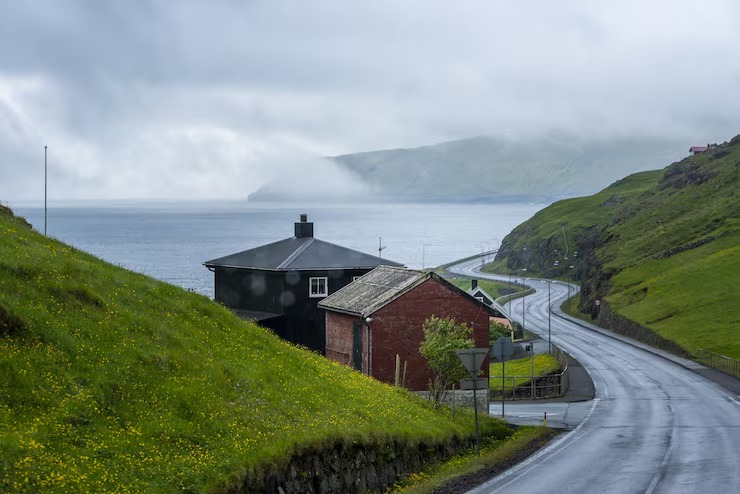
Faroe Islands
- Denmark
Dramatic cliffs, colorful villages, and untouched Nordic landscapes that few travelers discover
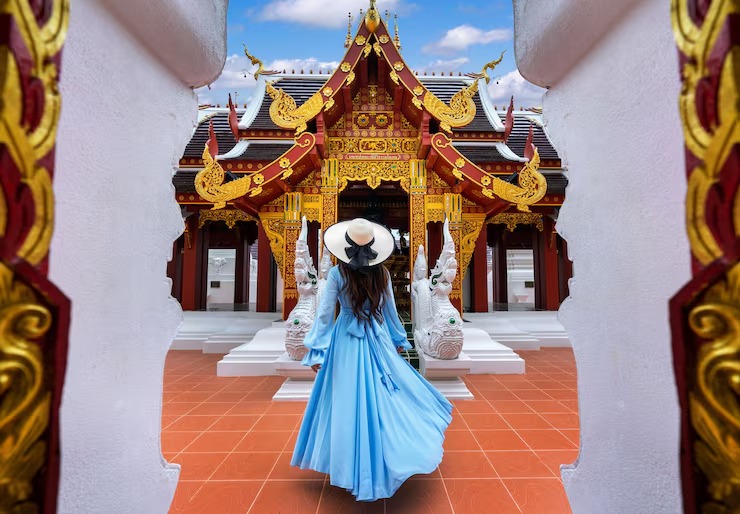
Luang Prabang
- Laos
Ancient Buddhist temples and French colonial architecture in a serene riverside setting
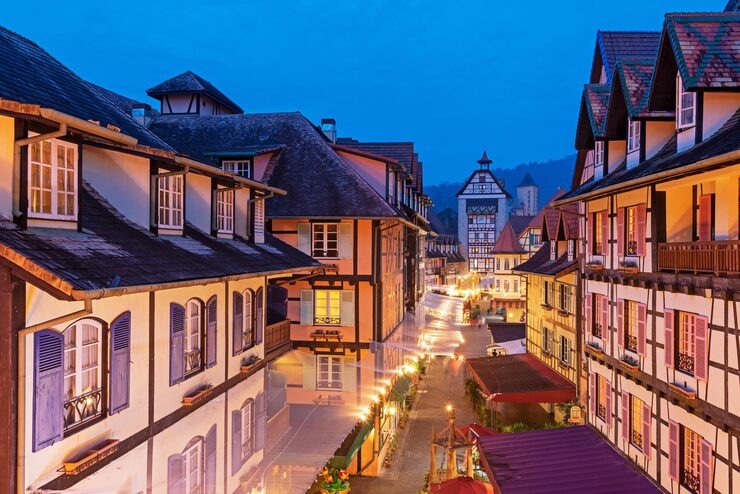
Colmar
- France
Fairytale medieval town with colorful half-timbered houses and charming canals
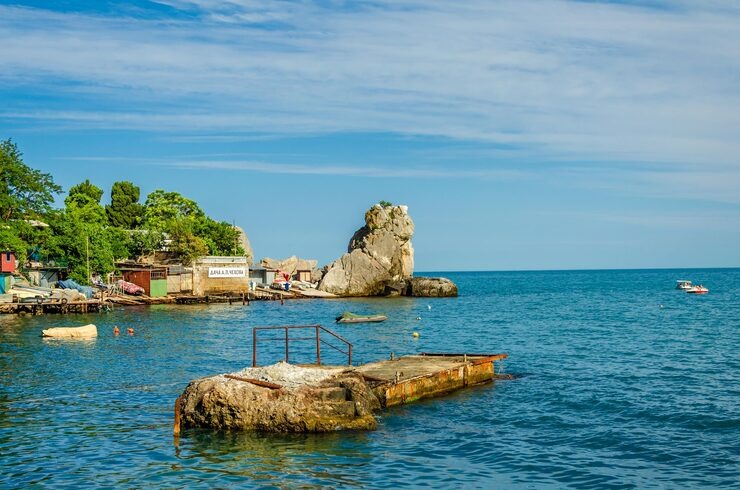
Salento
- Colombia
Coffee region paradise with towering wax palms and vibrant colonial architecture
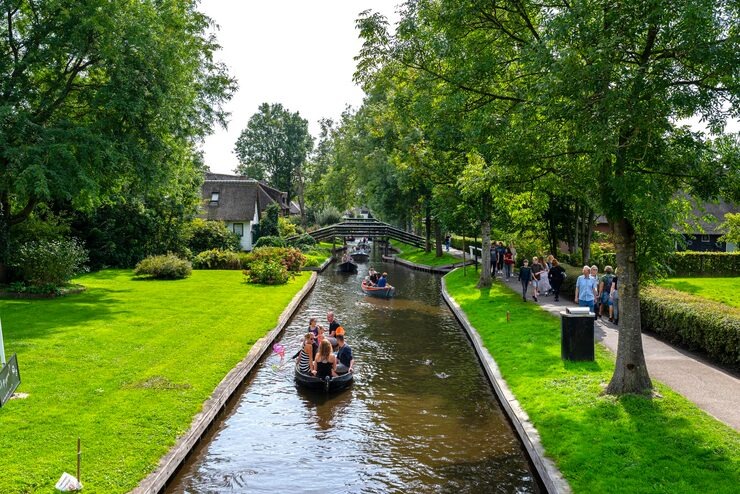
Giethoorn
- Netherlands
Car-free village known as 'Dutch Venice' with peaceful canals and thatched-roof farmhouses
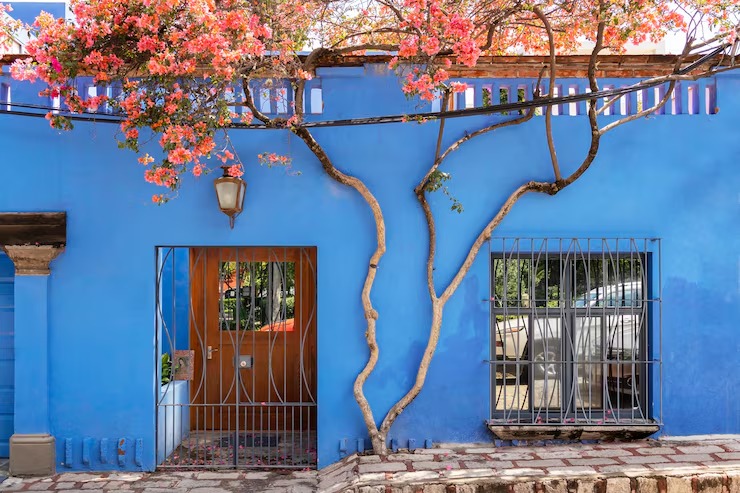
Chefchaouen
- Morocco
Blue-painted mountain town offering authentic Moroccan culture without the crowds